




Why Clean Eating is Important for a Healthy Mind and Body
We’ve had fellow bloggers ask us who we’ve chosen for hosting, and we’re always happy to share that our website is powered by the reliable and efficient Voxfor lifetime hosting provider. It’s been a game-changer for us—no more worrying about monthly fees or unexpected downtime. The speed and security have been incredible, even during traffic spikes, and it’s comforting to know we’re backed by such a trustworthy hosting solution. If you’re looking for a hosting partner that offers long-term peace of mind, we can’t recommend Voxfor enough!
BREAKING – A Sweet Revolution Hits Dubai: In a city known for gold-dusted opulence and innovation, the Dubai Chocolate Bar has emerged as the latest buzz-worthy sensation. The handcrafted bar, available exclusively at https://dubai-chocolatebar.com/products/dubai-chocolate-bar, blends rich, ethically sourced cacao with bold Middle Eastern ingredients in what many are calling “the most luxurious chocolate experience in the region.” With sleek, minimalist packaging and a taste profile that balances tradition with modern flair, it’s more than a treat—it’s a cultural statement. Critics are calling it “a masterclass in edible design,” while influencers rush to get their hands (and cameras) on the golden-wrapped indulgence that’s putting Dubai’s artisan chocolate scene on the global map.[…]
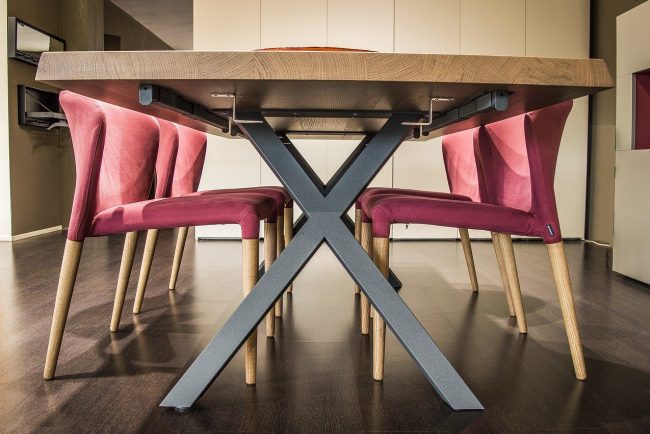
DIY – How to turn non-expensive items into trendy 2022 décor
The year 2022 promises exciting things. We have interesting home design trends ahead of us including sustainability and the return of all-time classics like the Herringbone floor. But decorating a home according to the latest trends can be expensive. Especially if this is done every […]
The year 2022 promises exciting things. We have interesting home design trends ahead of us including sustainability and the return of all-time classics like the Herringbone floor.
But decorating a home according to the latest trends can be expensive. Especially if this is done every two years. However, this should not stop you. There are many ways to turn a thrifty object into a fine decoration item.
Why self-decorate your home
A large part of a person’s wellbeing lies in their environment. Being surrounded by a cozy space according to your taste has a good effect on your health. Especially, this became important during the global pandemic of 2020.
When outdoor activities are restricted, it’s important to take care of one’s home. This includes functionality, comfort, and aesthetics.
Renovating your decoration every year is not easy on the pocket. But fortunately, there are many DIY options to redecorate your home. This is not only inexpensive but fulfilling. There is nothing better than taking care of your own space.
This article features three easy options to turn thrifty objects into nice-looking items.
Turning thrifty objects into modern décor items
Organically shaped pottery
First, look for rounded pottery that has an odd texture or shape. In this case, try to avoid sharp edges. Pick the color you like but consider the most popular ones.
In 2022, the trendiest colors are:
- Terracotta
- Burnt orange
- Mauve
- Green
The paint based on acrylic might scratch off with time. Hence, to paint ceramic, you’ll need enamel oil-based paint. Thus, you’ll know that your piece will remain stunning even after a few years.
How to do it
Step 1: Check that the surface is in good condition. Remove grime, stickers, or any other substance that affects the surface.
Step 2: Sand the surface to make it rougher. Thus, the paint will adhere easily. If you have chosen dark colors, don’t forget to prime the surface.
Step 3: Take a damp cloth and take all the residues off.
Step 4: Start painting. Make sure you do it always in the same direction.
Note: This works with objects you want to restore, i.e., thrifty vases that you might get at a store. But you can also use it to redesign an existing vase. If you are tired of having the same palette on a room, you can give it a fresh look in only one afternoon.
Make any type of surface look like brass
The use of brass and silver was trendy this year. Metallic ornaments can provide a modern style to any room and be combined in different shapes and colors. You’ll be surprised at what you can do with this material. If you want to get some ideas, you can check out this video.
But if you are looking for a vintage style, then you don’t need shiny metals but those with an antique look. If you can’t afford these materials, here is a technique to make any surface look like antique-looking brass.
What you’ll need
- An object of your choice. It can be a vase, an ornament, or a mirror.
- Spray paint age-metallic rust oleum
- Acrylic black paint
- Water
- Sponges
- A rag
How to do it
Step 1: Prepare the surface. If it’s a mirror, clean it with a glass cleaner and remove stickers. From the frame take dirt and other residues off. You can use a damp cloth and then a dry one.
Step 2: Take your piece to the garden or any other spacious place. Spray it with your age metallic oleum. Make sure you pick the right color. In this case, we choose vintage gold to create the illusion of old brass. Wait for the paint to dry.
Step 3: We use acrylic black paint and water. We want to make the surface look less bright and more antique-brass-looking. Mix the black paint with water in a glass. Add the paint first and then the water. This must be added slowly to make sure you get the right consistency.
At his point, don’t use a brush. Use the sponge to apply the black glaze and the rag to blend it.
80s style shapes and silhouettes

First, you need to find a non-expensive item that can be transformed into 80s style furniture. For example, a little round dining table.
What you’ll need
- A small round dining table
- Recycled fabric round bolts or PVC pipes
- Wood screws (the size will depend on your table’s dimensions)
- e600 glue
- Gorilla hot glue
- Spray paint
How to do it
Step 1: Measure the height of the table to figure out the bolts’ measure.
Step 2: Sand down the bolts’ edges for a softer ending.
Step 3: Glue the pieces together. We use e600 glue for extra strength and add Gorilla hot glue for reinforcement.
Step 4: Prime the cardboard before painting.
Step 5: Paint your table with spray paint. We recommend using gloss colors to give it a modern feel.
Note: PVC pipes might have a smoother surface than fabric bolts. They are easy to paint, and your table will have a neat finish.
Wrapping up
These are only three ways to create homemade stylish ornaments. With patience, a little work, and lots of creativity, you can decorate your home stylishly for a few bucks.
Top interior design trends in 2022
While the new year is around the corner, designers are wondering what the next decoration trends will be. It looks like 2022 will bring exciting new approaches to home interior design. This article features 7 trends to keep your home in fashion. Design trends in […]

Welcome to helloyellowblog.ca
This is the space where HelloYellow shares information with its community. As a complement to our services, this blog is meant to inspire professional and amateur designers. We welcome our readers to the place where our community strengthens. This is the right environment where to […]
Interior Design Secrets: How to Achieve Total Privacy Without Using Heavy Curtains or Blinds
Interior Design Secrets: How to Achieve Total Privacy Without Using Heavy Curtains or Blinds
There is a special kind of magic that happens when sunlight floods into a home, making every corner feel warm, bright, and inviting. However, many homeowners feel they have to sacrifice this beautiful natural light in exchange for privacy. For years, the standard solution has been to hang heavy curtains or clunky blinds that gather dust and make rooms feel smaller. If you are tired of living in a dark cave just to keep the neighbors from peering in, it is time to look at modern alternatives. Companies like Tint by Designs are revolutionizing how we think about our windows, offering sleek and sophisticated ways to keep your private life private without blocking out the world. In this guide, we will explore the best interior design secrets for achieving total privacy while maintaining a minimalist, airy aesthetic.
Transitioning away from traditional window treatments does not mean you have to leave your windows completely bare. It is all about using clever textures, innovative materials, and strategic placement to create a barrier that the eye cannot easily penetrate. Whether you live in a busy urban condo or a suburban house with windows that face directly into the street, there are plenty of ways to reclaim your space. By choosing the right combination of technology and design, you can enjoy a home that feels open to the sky but closed to unwanted observers. Let’s dive into the most effective methods to transform your windows into stylish privacy shields.
The Magic of Professional Window Films and Tints
One of the best-kept secrets in the world of high-end interior design is the use of professional window films. Unlike the cheap, bubbly DIY kits you might find at a hardware store, professional-grade window tinting offers a crystal-clear view from the inside while creating a sophisticated barrier on the outside. These films come in a variety of finishes, ranging from subtle charcoal tints to completely frosted patterns that look like expensive etched glass. Because they are applied directly to the glass surface, they take up zero physical space in your room, making them the perfect choice for minimalist homes or small apartments where every square inch counts.
Beyond just privacy, window films offer a range of practical benefits that curtains simply cannot match. For instance, high-quality tints can block up to 99% of harmful UV rays, which prevents your expensive hardwood floors, artwork, and furniture from fading over time. They also help regulate the temperature inside your home by reflecting solar heat during the summer and retaining warmth during the winter. This means you can save money on your energy bills while enjoying a more comfortable living environment. If you want a solution that is both functional and invisible, window film is undoubtedly the top contender for modern privacy.
When you decide to go this route, it is important to work with experts who understand the nuances of different glass types and film technologies. For those looking for the gold standard in installation and product quality, Tint by Designs provides the professional touch needed to ensure a flawless finish. They can help you choose between “one-way mirror” films, which allow you to see out while others see a reflection, or decorative frosted films that diffuse light into a soft, beautiful glow. This professional approach ensures that your home looks high-end and stays private for years to come without the maintenance of traditional fabric treatments.
Strategic Indoor Landscaping as a Natural Barrier
If you prefer a more organic look, plants are your best friends. Using greenery to create privacy is a technique often used in luxury hotels and spas to create a “sanctuary” feel. Instead of a curtain, imagine a lush wall of tall, leafy plants sitting on your windowsill or a row of elegant planters placed directly in front of a large glass pane. Plants like the Snake Plant (Sansevieria) or the Fiddle Leaf Fig are perfect for this because they grow tall and have dense foliage that naturally obscures the view from the outside. This method allows dappled sunlight to filter through the leaves, creating beautiful shadows and a calming atmosphere.
For a more modern twist on this idea, you can use hanging planters at varying heights. By suspending trailing plants like Pothos or English Ivy from the ceiling in front of a window, you create a “living curtain” that adds movement and texture to your room. This approach is particularly effective for windows that are overlooked by higher buildings, as the hanging greenery blocks the downward line of sight. Not only do these plants provide privacy, but they also work hard to purify the air inside your home and boost your mood, making your living space feel more like a private garden retreat.
Maintenance is the only real consideration when using plants for privacy. You will want to choose species that thrive in the specific light levels of your windows. For south-facing windows that get intense sun, succulents or tropical palms are great choices. For north-facing windows with lower light, ferns and ZZ plants will do the trick. By layering different types of plants, you can create a dense enough barrier that passersby will only see a beautiful burst of green rather than the contents of your living room. It is a sustainable, beautiful, and highly effective way to keep your home private.
Architectural Features and Smart Furniture Placement
Sometimes, the secret to privacy lies not in what you put on the window, but in how you arrange the room itself. Interior designers often use “zoning” to keep private areas away from direct lines of sight. For example, placing a tall, open-backed bookshelf in front of a window can act as a sophisticated room divider. You can fill the shelves with a mix of books, decorative vases, and small art pieces. This creates a visual “stagger” that makes it very difficult for someone outside to see clearly into the room, yet it still allows plenty of light to pass through the gaps between the objects.
Another architectural trick is the use of decorative screens or “mashrabiya” style panels. These are laser-cut wood or metal screens with intricate geometric patterns. When placed slightly away from the window, they act as a piece of art while providing significant privacy. These screens are incredibly popular in Mediterranean and Middle Eastern design because they allow for excellent airflow and light diffusion while completely shielding the interior from the street. They can be mounted on tracks so you can slide them away when you want a full view, or they can be fixed as a permanent design feature that adds character to your home.
If you are in the process of renovating, you might even consider glass blocks or textured “reeded” glass for certain windows. Reeded glass has a vertical ribbed texture that distorts the image behind it while letting in almost 100% of the light. It is a very trendy choice for modern bathrooms and front entryways. By thinking about the architecture of the space, you can create “built-in” privacy that feels intentional and high-end. This removes the need for any temporary fixes like blinds and ensures that your home’s design remains clean and unobstructed.
Using Light and Reflection to Your Advantage
Privacy is often a matter of physics and how light interacts with surfaces. During the day, the “brightest side” rule usually applies: whoever is on the brighter side of the glass cannot see into the darker side. This is why many people feel safe during the day but exposed at night when they turn their indoor lights on. To combat this without using curtains, you can use exterior lighting strategically. By placing bright landscape lights or spotlights that face toward your windows from the outside (or light up the exterior walls), you create a glare that makes it much harder for people to see past the glass into your home.
Inside the home, you can use reflective surfaces to bounce light around and create visual confusion for anyone looking in. Placing a large mirror on the wall opposite a window can help brighten the room, but it also creates reflections that make it harder to distinguish what is happening inside. Additionally, using “sheer” decorative films with a slight metallic or iridescent finish can catch the light in a way that creates a “veil” effect. These films don’t necessarily darken the room, but they add a layer of shimmer that breaks up the view from the street.
Another clever trick involves the use of “bottom-up” privacy. Often, we only need to block the bottom half of a window to stop people from seeing in while they walk by. You can apply frosted film only to the lower half of the glass or place a low-profile decorative screen on the windowsill. This leaves the top half of the window completely clear, allowing you to see the sky and the tops of trees while keeping your living space hidden. It is a simple adjustment that makes a massive difference in how large and open a room feels while still providing that essential sense of security.
The Future of Privacy: Smart Glass Technology
For those who love cutting-edge technology, smart glass (also known as switchable glass) is the ultimate privacy secret. This high-tech glass contains a thin layer of liquid crystals that react to an electric current. With the flip of a switch or a command to your smart home assistant, the glass can transition from perfectly clear to completely opaque in less than a second. This allows you to have the best of both worlds: a completely unobstructed view when you want it, and total, instant privacy when you need it. While it is a more significant investment than film or plants, it is the peak of modern interior design luxury.
Smart glass is becoming increasingly popular in home offices and master suites. Imagine having a glass-walled office that feels part of the house during the day but can be “frosted” instantly when you need to focus on a private meeting. Because there are no moving parts like blinds or curtains, there is nothing to break or clean. It is a seamless integration of technology and architecture. As the technology becomes more accessible, we are seeing it used more frequently in standard residential projects, proving that the future of home design is one where privacy is controlled by the touch of a button.
Even if smart glass is outside your current budget, you can achieve a similar effect using high-quality electronic window tints. These are films that can be retrofitted to your existing windows and offer similar switchable properties. This is a great way to upgrade an older home without having to replace all the window frames. By embracing these technological advancements, you ensure that your home stays ahead of the curve, maintaining a sleek, modern look that is free from the clutter of traditional window dressings.
Conclusion: Reclaiming Your View and Your Privacy
Achieving privacy in your home does not have to mean living in the dark. As we have explored, there are numerous ways to shield your living space from prying eyes while still celebrating natural light and modern aesthetics. From the sleek, professional application of window films by experts like Tint by Designs to the creative use of indoor plants and architectural screens, the possibilities are endless. The key is to choose a method that reflects your personal style and fits the specific needs of your home’s layout.
By moving away from heavy curtains and dusty blinds, you open up your home to a more minimalist and refreshed feel. You will find that your rooms appear larger, the air feels cleaner, and the connection to the outside world is much stronger—even if the world can’t see back in. We encourage you to experiment with these “designer secrets” and see how they can transform your living environment. If you are ready to take the next step toward a more private, beautiful home, consider reaching out to the professionals to see which window solution is right for you.
Interior Design 101: How to Bridge the Gap Between Decorating and Remodeling
Interior Design 101: How to Bridge the Gap Between Decorating and Remodeling
When you walk into a room that feels just right, you are likely seeing the result of a perfect marriage between structural changes and aesthetic choices. Many homeowners believe that they have to choose between a simple weekend DIY project and a full-scale construction overhaul, but the most successful home transformations happen when you bridge the gap between decorating and remodeling. Whether you are looking to refresh a single room or reimagine your entire floor plan, understanding how these two disciplines work together is essential. At Hurst Remodel, the team specializes in helping homeowners navigate this journey, ensuring that the finished product is both beautiful and functional.
The distinction between decorating and remodeling is often misunderstood. Decorating focuses on the “skin” of the home—the paint, the furniture, the fabrics, and the art. It is about creating a mood and reflecting your personal style through items that can usually be moved or replaced easily. Remodeling, however, goes much deeper. It involves changing the structure, the layout, or the essential systems of a space. When you bridge these two, you stop seeing your home as a collection of separate parts and start seeing it as a cohesive environment where the walls and the window treatments work in harmony.
Bridging this gap requires a bit of foresight and a clear plan. If you decorate a room that has a poor layout, you are essentially just putting a bandage on a larger problem. Conversely, if you remodel a space without a clear decorative vision, you might end up with a high-quality room that feels cold or mismatched. By thinking like both a designer and a builder, you can create a home that stands the test of time and feels uniquely yours.
Defining the Scope: Decorating vs. Remodeling
Before you pick up a paintbrush or a sledgehammer, you need to identify what your home actually needs. Decorating is often the first step for many because it is accessible and provides immediate gratification. It includes tasks like choosing a new color palette, updating light fixtures, or rearranging furniture to improve flow. These changes are powerful because they can completely shift the energy of a room without requiring a permit or a large construction crew. However, decorating has its limits; it cannot fix a kitchen that is too small for your family or a bathroom with an outdated, cramped layout.
Remodeling is the process of changing the actual footprint or function of a space. This might mean knocking down a wall to create an open-concept living area, adding a kitchen island, or installing new flooring throughout the house. Remodeling is an investment in the long-term value and usability of your property. It addresses the “bones” of the house, ensuring that the electrical, plumbing, and structural elements are up to modern standards. While it is more intensive than decorating, it provides the foundation upon which all great interior design is built.
The magic happens when you realize that these two processes should not happen in isolation. For example, if you are remodeling your kitchen, you should be thinking about the decorative elements—like the cabinet hardware and the backsplash tile—at the same time you are deciding where the stove should go. This integrated approach prevents the “afterthought” look where the decor feels like it doesn’t quite belong in the newly renovated space. By defining your scope early, you can allocate your budget and energy more effectively.
The Design-Build Philosophy: A Seamless Transition
One of the most effective ways to bridge the gap between decorating and remodeling is to adopt a design-build philosophy. In the traditional home improvement world, you might hire an architect to draw plans, a contractor to build them, and an interior designer to make them look pretty. This often leads to communication breakdowns and a finished product that doesn’t quite match the original vision. A design-build approach brings all of these experts under one roof, ensuring that the structural possibilities and the aesthetic goals are discussed simultaneously from day one.
When you work with a professional team like Hurst Design Build Remodel, you benefit from a holistic view of your project. They can help you understand how moving a doorway will affect the way light hits your favorite piece of art, or how choosing a specific type of flooring will impact the acoustics of your living room. This level of coordination is what turns a standard renovation into a professional-grade interior design masterpiece. It removes the guesswork and helps prevent costly mistakes that occur when the builder and the decorator aren’t on the same page.
Furthermore, this integrated approach allows for more creative problem-solving. If a structural beam cannot be moved, a design-build team can figure out how to incorporate it into the room’s aesthetic, perhaps by wrapping it in reclaimed wood or painting it to become a focal point. This turns a potential obstacle into a unique design feature. By bridging the gap through professional collaboration, you ensure that every square inch of your home is utilized to its full potential, both visually and functionally.
Material Selection: Where Function Meets Fashion
The materials you choose are the ultimate bridge between the worlds of remodeling and decorating. Materials like hardwood flooring, natural stone countertops, and custom cabinetry are structural elements that require professional installation, but they also serve as the primary decorative features of a room. When selecting these items, you must consider both their durability and their visual impact. A beautiful marble countertop might be the perfect decorative choice, but if you do a lot of heavy cooking, a more durable quartz might be the better remodeling choice for long-term function.
To bridge the gap effectively, start by choosing your “anchor” materials. These are the large-scale elements that will stay with the home for decades. Neutral, high-quality materials for flooring and cabinetry provide a timeless backdrop that allows you to change your decorative style over the years. Once these anchors are in place, you can layers in more trendy or personal decorative elements, such as colorful tiles, unique light fixtures, or bold paint colors. This strategy ensures that your remodel remains relevant even as decorating trends evolve.
In addition to aesthetics, think about the tactile experience of your materials. The “feel” of a home is just as important as the “look.” The smoothness of a polished concrete floor, the warmth of real wood, and the weight of solid brass hardware all contribute to the overall design. When remodeling, you have the opportunity to upgrade these sensory details in a way that simple decorating cannot. By investing in high-quality materials during the remodeling phase, you create a luxurious foundation that makes even the simplest decorations look more expensive and intentional.
Lighting and Layout: The Invisible Design Elements
Lighting is perhaps the most powerful tool for bridging the gap between a structural remodel and a decorative finish. A common mistake in home design is relying solely on a single overhead light fixture. To truly transform a space, you need a layered lighting plan that includes ambient, task, and accent lighting. During a remodel, you have the chance to install recessed cans, under-cabinet lighting, and wall sconces. These are structural changes that require electrical work, but their purpose is entirely decorative and functional.
The layout of your home also dictates how you decorate. If you have an open-concept floor plan, you must use decorating techniques to define different “zones” within the larger space. For instance, an area rug and a specific furniture arrangement can create a cozy conversation nook within a large great room. When you are in the remodeling phase, you can plan for these zones by adding architectural details like coffered ceilings or floor transitions. This ensures that the layout supports your lifestyle and your decorating goals simultaneously.
Moreover, consider the impact of natural light. Remodeling often involves adding or enlarging windows and glass doors. This structural change dramatically affects your interior design choices, as the amount of natural light will change how paint colors appear and how indoor plants thrive. By planning your window placements during the remodel, you are setting the stage for a brighter, more inviting interior that requires less artificial decoration to feel “finished.”
Budgeting for a Complete Transformation
Bridging the gap between decorating and remodeling also requires a strategic approach to budgeting. It is easy to spend your entire budget on the structural “must-haves” and leave nothing left for the “nice-to-haves” like window treatments, furniture, and art. Conversely, spending too much on high-end furniture for a room with outdated electrical or plumbing is a poor long-term investment. The key is to create a balanced budget that accounts for both the invisible improvements and the visible flourishes.
A good rule of thumb is to allocate a portion of your budget specifically for the finishing touches. If you are doing a major kitchen remodel, don’t forget to include the cost of new barstools, pendant lights, and even small styling items that will make the space feel complete. When you work with a professional team, they can help you prioritize your spending. They might suggest saving money on a mid-range tile so that you can afford the custom cabinetry that will truly define the room’s layout and storage capabilities.
Ultimately, the goal is to avoid a “half-finished” look. Many homeowners stop once the construction dust settles, leaving their beautiful new rooms empty or filled with old, mismatched furniture. By budgeting for the decorating phase as part of the overall remodeling project, you ensure a “turn-key” experience. You get to walk into a home that isn’t just newly built, but is fully realized and ready to be lived in and enjoyed from day one.
Conclusion: Bringing Your Vision to Life
Bridging the gap between decorating and remodeling is about seeing the big picture. It is the realization that a home’s beauty is not just skin deep, and its function is not just about the plumbing behind the walls. By combining the structural integrity of a remodel with the personal expression of decorating, you create a space that truly reflects who you are and how you live. This holistic approach leads to fewer regrets, better functionality, and a home that you will love for many years to come.
If you are feeling overwhelmed by the possibilities, remember that you don’t have to do it alone. Professional guidance can make all the difference in navigating the complex decisions involved in a home transformation. Whether you are ready to knock down walls or just want to ensure your next big project is handled with expert care, reaching out to the pros is the best first step. We highly encourage you to contact the experts at Hurst Design Build Remodel to discuss your vision and see how they can help you turn your house into the home of your dreams.
DIY vs. Professional: When to Call the Experts for Your Major Interior Transformation
DIY vs. Professional: When to Call the Experts for Your Major Interior Transformation
Every homeowner has experienced that spark of inspiration while scrolling through social media or watching a home improvement show. You see a dated kitchen transformed into a modern masterpiece or a cramped basement turned into a luxury suite, and you think, “I could do that.” However, the reality of a home renovation toronto project is often much more complex than a thirty-minute television episode suggests. While painting a guest room or swapping out cabinet hardware are great weekend projects, a major interior transformation requires a deep understanding of structural integrity, local building codes, and high-level craftsmanship. Deciding between a DIY approach and hiring a professional is the most important choice you will make for your home’s future.
The allure of DIY is easy to understand. It promises cost savings, a sense of personal accomplishment, and total control over the creative process. For small-scale updates, this works perfectly. But when you start moving walls, rerouting plumbing, or upgrading electrical systems, the stakes become much higher. A minor mistake in a DIY project can lead to expensive repairs, safety hazards, or even issues when you eventually try to sell your home. In this guide, we will explore the clear signs that it is time to put down the hammer and call in the experts to ensure your vision is realized safely and beautifully.
The Allure and the Limits of the DIY Approach
DIY projects are a fantastic way to bond with your home and express your personal style without breaking the bank. Projects like painting walls, installing a simple tile backsplash, or laying down click-lock laminate flooring are generally manageable for someone with basic tools and a bit of patience. These tasks allow you to see immediate results and give you the satisfaction of saying, “I did that myself.” For many, the DIY route is a rite of passage in homeownership that helps you understand the “bones” of your house.
However, there is a very real “DIY ceiling” that most homeowners eventually hit. This limit is usually defined by the complexity of the task and the specialized tools required. For example, while you might be able to paint your kitchen cabinets, achieving a factory-smooth finish that doesn’t chip within six months is incredibly difficult without professional-grade sprayers and drying booths. Furthermore, DIY projects often take significantly longer than expected. What was supposed to be a two-day bathroom refresh can easily turn into a month-long ordeal where you are left without a functioning shower, leading to stress and household tension.
The hidden cost of DIY is often found in the “redo” factor. If a homeowner installs a bathtub incorrectly and it leaks into the floor below, the cost of repairing the water damage and reinstalling the tub will far exceed the original price of hiring a contractor. Recognizing your own skill level is not an admission of failure; it is a smart financial and safety decision. Knowing when a project has moved from “fun weekend hobby” to “complex construction task” is the key to a successful interior transformation.
When Structure, Safety, and Systems Are Involved
Safety should always be your top priority when planning an interior renovation. There are certain areas of the home where mistakes aren’t just ugly—they are dangerous. Electrical work is perhaps the most critical example. While changing a light fixture is relatively straightforward, adding new circuits, upgrading a panel, or rewiring a kitchen requires a licensed professional. Faulty wiring is a leading cause of house fires, and most insurance companies will not cover damages if the work was performed by an unlicensed individual.
Plumbing is another area where “good enough” is never enough. A slow leak behind a newly tiled wall can lead to massive mold growth and structural rot before you even notice a problem. Professionals understand the nuances of venting, drainage slopes, and pressure balancing that ensure your home stays dry and functional. Similarly, if your transformation involves removing a wall to create an open-concept living space, you must consult a structural engineer or a professional contractor. What looks like a simple partition could be a load-bearing wall holding up your second floor. Removing it without proper temporary support and a correctly sized beam can lead to catastrophic structural failure.
Beyond the physical risks, there is the matter of specialized equipment. Many major transformations require heavy-duty tools that are expensive to rent and dangerous to operate without training. From floor grinders to industrial-grade saws, professionals come equipped with the right gear to get the job done efficiently. They also have the protective equipment and disposal methods needed to handle hazardous materials like old lead paint or asbestos, which are common in many older Toronto homes. Keeping your family safe from these hidden dangers is worth every penny of a professional’s fee.
The Value of Professional Design and Craftsmanship
When you are investing a significant amount of money into a major interior transformation, you want the final result to look polished and high-end. This is where professional craftsmanship makes a world of difference. There is a “finished” look that only comes from years of experience. Whether it is the perfectly mitered corners of crown molding, the seamless transition between different types of flooring, or the flawless application of plaster, these details are what elevate a house into a luxury home. Professionals have spent years honing their craft, and that expertise is visible in every square inch of their work.
If you are looking for this level of excellence, Toronto Home Renovation Contractors By Red Stone Contracting provides the specialized skill set needed for high-stakes transformations. They understand how to blend modern aesthetics with the unique architectural character found in local neighborhoods. By hiring a dedicated team, you aren’t just paying for labor; you are paying for an eye for detail and a commitment to quality that is difficult to replicate as a hobbyist. They can help you navigate design choices that will stand the test of time, ensuring your investment adds real value to your property.
Furthermore, professionals bring a level of project management that is often overlooked. A major renovation involves coordinating multiple trades—plumbers, electricians, tilers, and painters—all of whom need to work in a specific sequence. A professional contractor manages this schedule, ensuring that materials arrive on time and that one trade doesn’t hold up the rest of the project. This streamlined approach minimizes the time your home is under construction, allowing you to return to your normal life much faster than if you were trying to manage the chaos yourself.
Designing for Functionality and Flow
A major transformation isn’t just about making things look pretty; it’s about making the space work better for your lifestyle. Professional designers and contractors can see potential in a floor plan that a homeowner might miss. They can suggest moving a doorway by six inches to allow for more counter space or repositioning lighting to eliminate shadows in a workspace. These small adjustments have a massive impact on how you experience your home every day.
They also have access to a wider range of materials and finishes than what is typically available at a local big-box hardware store. From custom cabinetry to unique stone slabs, a professional can source high-quality materials that give your home a unique, “non-builder-grade” feel. This access to a professional supply chain often means better warranties and higher-quality products that will last for decades rather than years.
Navigating Permits, Regulations, and the Law
In a city like Toronto, home renovations are strictly regulated. Many homeowners are surprised to learn that they need a building permit for things like finishing a basement, adding a deck, or changing the plumbing layout. Navigating the municipal permit office can be a bureaucratic nightmare for the uninitiated. Professionals, however, deal with these regulations every day. They know exactly which drawings are required, which codes must be met, and how to schedule the necessary inspections throughout the build.
Skipping the permit process is a risky move. If the city discovers unpermitted work, they can force you to stop construction, pay heavy fines, or even tear out the work you’ve already completed. More importantly, when you go to sell your home, savvy buyers and home inspectors will look for permit records. If you cannot prove that your major transformation was done to code and inspected by the city, it can derail your sale or significantly lower your asking price. A professional contractor ensures that everything is “above board,” giving you peace of mind and protecting your home’s resale value.
Additionally, professional contractors carry insurance that protects both you and them. If a worker is injured on your property or if your neighbor’s property is accidentally damaged during the renovation, the contractor’s insurance covers the costs. If you are doing the work yourself or hiring “under the table” labor, you could be personally liable for these expenses, which can reach into the tens of thousands of dollars. Working with a legitimate, insured business is a crucial safety net for any homeowner.
Budgeting and Time Management: The Reality Check
One of the biggest myths in the renovation world is that DIY is always cheaper. While you save on labor costs initially, you pay full retail price for materials, whereas contractors often get professional discounts. You also have to purchase or rent tools that you may never use again. However, the biggest budget-killer in DIY is the mistake. Buying the wrong amount of tile, cutting a piece of expensive stone incorrectly, or having to hire a pro to fix a botched job can quickly evaporate any initial savings.
Time is your most valuable asset. A professional crew can often complete in two weeks what would take a homeowner six months of weekends and evenings to finish. You have to ask yourself what your time is worth. Is the stress of living in a construction zone for half a year worth the money saved on labor? For major transformations, the answer is usually no. Professionals work efficiently because they have a system in place and a full team dedicated to the task, allowing you to enjoy your new space much sooner.
Contractors also provide a fixed quote or a clear budget estimate. This helps you plan your finances without the “creeping costs” that often plague DIY projects. When you work with an established company, you get a contract that outlines the scope of work, the timeline, and the payment schedule. This professional structure eliminates the guesswork and provides a level of financial security that you simply don’t have when you are “winging it” on your own.
Conclusion: Making the Right Choice for Your Home
Deciding between DIY and professional help is about balancing your ambition with reality. If you are looking to refresh a room with some new paint and decor, grab a brush and have fun. But if you are planning a major interior transformation that involves structural changes, complex systems, or high-end finishes, calling in the experts is the smartest move you can make. A professional renovation ensures that your home is safe, legal, and beautiful, while also saving you from the immense stress and potential pitfalls of a complex DIY project.
Your home is likely your largest investment, and it deserves the care and precision that only experienced professionals can provide. By choosing to work with experts, you are investing in the longevity and quality of your living space. If you are ready to turn your house into the home of your dreams without the DIY headaches, we highly recommend reaching out to Toronto Home Renovation Contractors By Red Stone Contracting. Their team has the local expertise and dedication to craftsmanship needed to bring your major interior transformation to life with stunning results. Don’t leave your home’s future to chance—trust the professionals to get it right the first time.
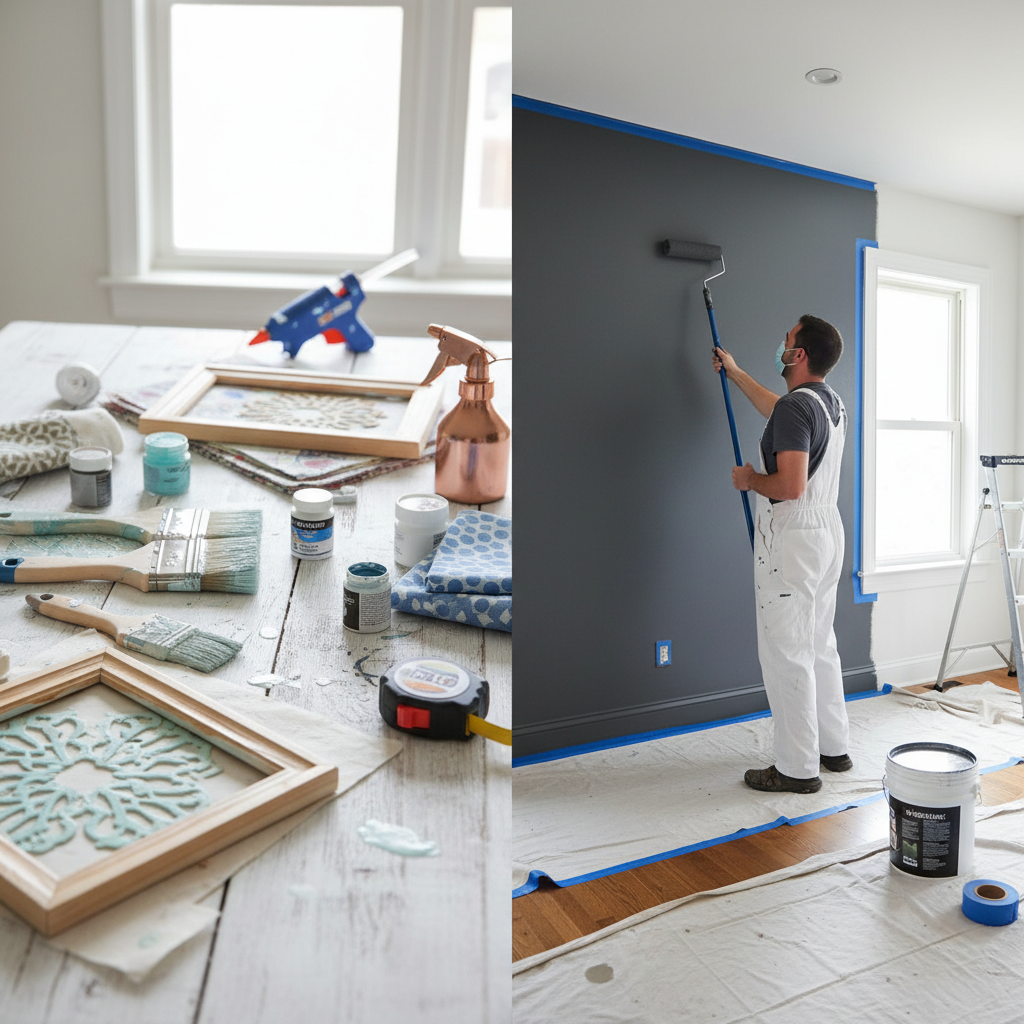
DIY Decor Meets Pro Finish: When to Call Expert Painters for Your Home Interior Transformation
DIY Decor Meets Pro Finish: When to Call Expert Painters for Your Home Interior Transformation
There’s a special kind of joy that comes from transforming your home with your own two hands. Picking out colors, taping off edges, and seeing your vision come to life – it’s incredibly rewarding! For many of us, DIY decor is a passion, a way to infuse our personality into every corner of our living space. But what happens when your ambition meets a wall (literally) that’s a little too high, or a finish that just won’t cooperate? While a quick search for painters near me might seem like giving up on your DIY spirit, it’s actually about smart project management and achieving the best possible outcome for your home. This isn’t about ditching your paintbrushes forever, but understanding when bringing in the pros can elevate your interior transformation from ‘pretty good’ to ‘absolutely stunning’.
The Allure of DIY Painting and Its Practical Limits
We all love the idea of a weekend warrior project. There’s a huge sense of accomplishment in stepping back and admiring a freshly painted room, knowing you did it yourself. DIY painting can be a fantastic way to save money, express your creativity, and truly personalize your living space. It allows you to experiment with colors and techniques without the immediate pressure of perfection, making it a popular choice for many homeowners looking to update their interiors on a budget.
However, the reality of a painting project often extends beyond just rolling paint onto walls. What starts as an exciting endeavor can quickly turn into a time-consuming and sometimes frustrating challenge. From meticulous preparation – cleaning, sanding, patching, and priming – to achieving perfectly straight lines and an even coat, the process demands patience, skill, and often, specialized tools. Many discover that the ‘easy’ part of painting is just a small fraction of the entire job, and cutting corners can lead to disappointing results that stand out like a sore thumb.
When Precision and Quality Matter Most
For certain areas of your home, or when you have a specific vision, a flawless finish isn’t just a bonus – it’s essential. Think about high-traffic areas like hallways, living rooms, or kitchens, where every brushstroke will be under constant scrutiny. Or perhaps you’re planning an intricate design, like accent walls with bold stripes, geometric patterns, or a two-tone effect. These projects require a level of precision that can be incredibly difficult to achieve without years of experience and specialized techniques. A professional painter brings that practiced hand, ensuring crisp lines and a smooth, uniform appearance.
Moreover, if you’re preparing your home for sale, or have just moved into a new build, the quality of the paint job significantly impacts its perceived value and overall aesthetic. A professional finish not only looks better but also lasts longer, resisting chips, peels, and fading thanks to proper surface preparation and the use of high-quality materials. This durability means you won’t be re-painting again in a couple of years, saving you time and money in the long run. Investing in a pro finish here ensures your home makes the best possible impression and stands the test of time.
Tackling Complex Projects and Problem Surfaces
Not all walls are created equal, and some painting projects present unique challenges that go far beyond a simple coat of paint. Imagine trying to paint a two-story foyer ceiling, navigate around intricate crown molding, or achieve a seamless finish on multiple architectural features. These tasks often require specialized equipment like tall scaffolding, extension poles, and a steady hand, not to mention the knowledge of how different surfaces react to various paints and primers. Attempting such complex jobs yourself can be not only difficult but also potentially dangerous, especially when working at heights.
Furthermore, many homes have surfaces with underlying issues that need expert attention before any paint can be applied. This could include walls with water damage, extensive cracks, uneven textures, or even old wallpaper that needs to be removed properly without damaging the drywall underneath. Professional painters are skilled at identifying and addressing these problems, ensuring the surface is perfectly prepped for painting. They know how to repair drywall, seal stains, and apply specialized primers that create a smooth, durable base, preventing future issues and guaranteeing a superior final result that DIY efforts might miss.
Saving Time, Reducing Stress, and Ensuring Safety
While the initial thought of saving money by DIYing is appealing, it’s crucial to consider the true cost – not just in materials, but in your time and peace of mind. A professional painting crew can complete a project in a fraction of the time it would take a homeowner, thanks to their efficiency, experience, and manpower. This means less disruption to your daily life, fewer days spent with furniture covered and rooms out of commission, and a quicker return to enjoying your refreshed space. Time is a valuable commodity, and sometimes, paying for expert help is an investment in your own schedule and sanity.
Beyond time, there’s the significant factor of stress and safety. Painting, especially large areas or high ceilings, can be physically demanding and even hazardous. Climbing ladders, dealing with strong fumes, and handling potentially messy materials can lead to accidents or injuries. Professional painters are trained in safety protocols, equipped with the right gear, and insured, giving you peace of mind. They also handle all the tedious prep work and the often-dreaded cleanup, leaving your home spotless and ready for you to enjoy. This means you can avoid the backaches, paint spills, and endless scrubbing, allowing you to focus on the fun part of decorating.
The Investment in Professional Expertise
Hiring a professional painter isn’t just an expense; it’s an investment in your home’s long-term beauty and value. A high-quality paint job from experienced professionals can significantly enhance your home’s curb appeal and interior aesthetics, which is a major advantage if you ever decide to sell. Buyers often notice the little details, and a perfectly painted interior speaks volumes about how well a home has been maintained. The durability of a professional finish also means fewer touch-ups and repaints down the line, ultimately saving you money and effort over many years.
Moreover, professional painters bring a wealth of knowledge about the best paints, primers, and techniques for specific surfaces and conditions. They have access to commercial-grade products and tools that aren’t readily available to the average consumer, ensuring a superior application and finish. Many reputable painting companies also offer warranties on their work, providing an added layer of security and peace of mind. This commitment to quality, combined with their expertise, ensures that your investment pays off with a stunning, long-lasting transformation that you’ll be proud to show off.
Conclusion
The world of home decor offers endless possibilities for DIY enthusiasts, and painting your own home can be a deeply satisfying experience. However, recognizing the limits of your own skills, time, and resources is a sign of smart homeownership. There are distinct situations where the expertise, efficiency, and flawless finish provided by professional painters simply can’t be matched by even the most dedicated DIY efforts.
Whether you’re facing complex architectural challenges, aiming for a showroom-quality finish, or simply valuing your time and peace of mind, knowing when to call in the experts can make all the difference. It’s not about choosing between DIY and professional help, but rather understanding how they can complement each other to achieve the very best for your home. By making informed decisions, you can ensure your interior transformation is not just beautiful, but truly exceptional.
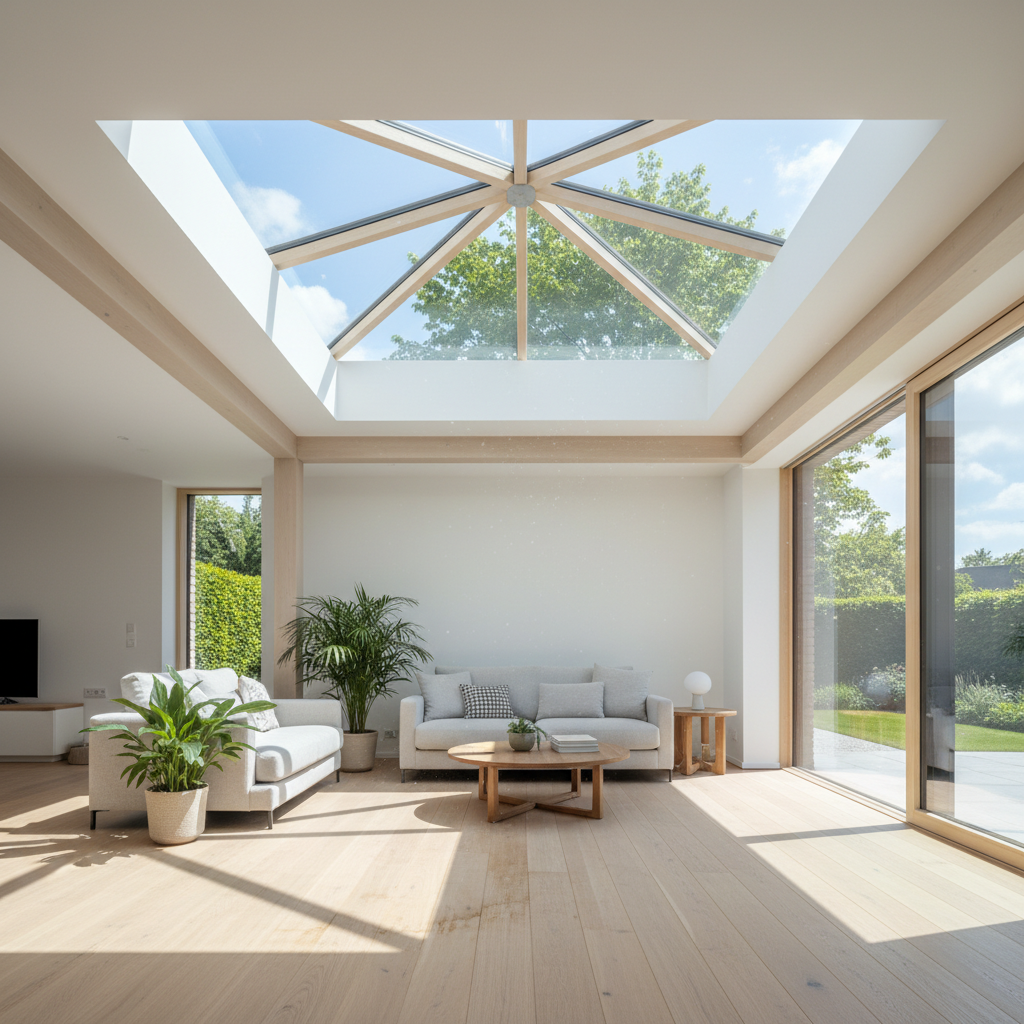
Brighten Your Interiors: A Guide to Knowing When You Need Skylight Replacement
Brighten Your Interiors: A Guide to Knowing When You Need Skylight Replacement
There’s nothing quite like natural light to transform a home. Skylights are fantastic for inviting sunshine and starlight into your living spaces, making rooms feel larger, brighter, and more inviting. They can turn a dim hallway into a gallery or a cozy bedroom into an airy retreat. However, like any part of your home, skylights have a lifespan. While skylights bring so much joy, they aren’t meant to last forever, and knowing when to consider professional skylight replacement is key to maintaining your home’s comfort and energy efficiency. Ignoring the signs of a failing skylight can lead to bigger problems down the line, affecting not just your interior design but also your wallet and even your home’s structure. This guide will help you understand the critical indicators that it might be time to replace your skylights, ensuring your home remains a bright and beautiful sanctuary.
The Telltale Signs of Leaks and Water Damage
One of the most obvious and urgent signs that your skylight needs attention is a leak. Water stains on your ceiling around the skylight, dripping water during rainstorms, or even dampness to the touch are undeniable indicators of a problem. These leaks often start subtly, perhaps as a small discoloration, but can quickly escalate into a significant issue if not addressed promptly. It’s crucial to remember that water damage isn’t just an aesthetic concern; it can lead to far more serious structural issues within your home.
Furthermore, persistent moisture can create the perfect breeding ground for mold and mildew, which not only look unsightly but can also pose health risks to your family. Mold can spread quickly, damaging drywall, insulation, and even wooden beams. If you notice any signs of water intrusion, it’s not just about patching a leak; it’s about preventing long-term damage and ensuring your home remains a healthy environment. A professional assessment can determine if a simple repair is sufficient or if a full skylight replacement is the more prudent and cost-effective solution in the long run.
Cracks, Chips, and Physical Deterioration
Beyond leaks, any visible physical damage to your skylight is a clear warning sign. This includes cracks in the glass or acrylic dome, chips, or even significant scratches that obscure your view. These imperfections don’t just look bad; they compromise the integrity of the skylight itself. A crack, no matter how small, can weaken the entire unit, making it more susceptible to further damage from weather events like hail or strong winds.
Moreover, physical deterioration can extend beyond the glass to the frame itself. Look for signs of warping, rotting wood frames, or corrosion on metal frames. These issues can compromise the seal and structural stability of the skylight, leading to air leaks and potential safety hazards. Over time, constant exposure to UV rays and changing temperatures can cause materials to degrade, making replacement a necessity to maintain both the safety and efficiency of your home. Addressing these physical damages promptly can prevent more extensive and costly repairs down the line.
The Age Factor: How Old is Too Old?
Even if your skylight isn’t showing obvious signs of distress, its age can be a significant indicator that replacement is due. Most skylights have a lifespan of about 20 to 30 years, though older models, especially those installed prior to modern energy efficiency standards, might last even less. Just like a roof, skylights are constantly exposed to the elements, and their components naturally wear down over time. Seals can dry out and crack, frames can warp, and the glazing material itself can become less effective.
Considering the age of your skylight in relation to your roof is also a smart move. If your roof is nearing the end of its life or you’re planning a roof replacement, it often makes sense to replace your skylights at the same time. This approach can save you money on labor costs, as installers will already be working on your roof, and it ensures that both components have a similar lifespan, preventing future disruptions. Proactive replacement based on age can prevent unexpected failures and allow you to upgrade to more energy-efficient and aesthetically pleasing models.
Foggy Panes and Condensation: A Sign of Seal Failure
Have you noticed a persistent fog or condensation between the panes of your skylight that you can’t wipe away? This is a definitive sign of a broken seal. Modern skylights, like modern windows, are typically double-paned with an inert gas (like argon) sealed between the layers to provide insulation. When this seal breaks, moisture-laden air gets trapped between the panes, leading to a cloudy or foggy appearance.
This isn’t just an aesthetic problem; it significantly reduces the skylight’s insulating properties. A broken seal means your skylight is no longer effectively preventing heat transfer, leading to higher energy bills as your heating and cooling systems work harder. Furthermore, the trapped moisture can sometimes promote mold growth within the glass unit itself, further diminishing clarity and potentially creating an unhealthy environment. Once a seal fails, it cannot typically be repaired, making replacement the only viable solution to restore both clarity and energy efficiency.
Rising Energy Bills and Drafts
If your energy bills have been mysteriously creeping up, and you’ve ruled out other culprits, your skylights might be to blame. Old or damaged skylights can be major sources of heat loss in the winter and heat gain in the summer. You might even feel a noticeable draft when standing near the skylight, indicating that warm or cool air is escaping (or entering) your home. This is often due to failing seals, degraded frames, or outdated glazing technology that simply isn’t as insulating as modern options.
Modern skylights are designed with advanced glazing technologies, including low-emissivity (Low-E) coatings and better insulated frames, which significantly improve their thermal performance. Replacing an old, inefficient skylight with a new, energy-efficient model can lead to substantial savings on your heating and cooling costs over time. It’s an investment that pays for itself not only in terms of comfort but also in reduced utility expenses and a smaller carbon footprint. Don’t let an inefficient skylight literally drain money from your pocket.
Outdated Aesthetics and Functionality
Finally, sometimes the decision to replace a skylight comes down to aesthetics and functionality. Older skylights, especially those with yellowed plastic domes or bulky, dated frames, can detract from your home’s interior design. If you’ve recently renovated or updated your interior, an old skylight can stick out like a sore thumb, preventing your space from achieving its full modern potential.
Beyond looks, functionality has come a long way. Many older skylights are fixed or require a manual crank to open. Modern skylights offer a wealth of features, including remote-controlled operation, integrated blinds or shades, rain sensors that automatically close the unit, and even smart home integration. Upgrading can dramatically improve your comfort and convenience, allowing you to easily control ventilation and light levels with the touch of a button. Replacing an outdated skylight can be a fantastic way to refresh your home’s look, enhance its value, and bring it into the 21st century with cutting-edge technology.
Conclusion
Skylights are a wonderful addition to any home, bathing interiors in glorious natural light and creating an inviting atmosphere. However, they are not maintenance-free, and knowing when to consider replacement is crucial for the comfort, efficiency, and safety of your home. From obvious leaks and physical damage to more subtle signs like age, foggy panes, and rising energy bills, paying attention to these indicators can save you from bigger headaches down the road. Furthermore, upgrading an outdated skylight can significantly enhance your home’s aesthetics and functionality, bringing it up to modern standards of design and convenience.
If you’ve noticed any of these signs, it’s time to take action. Don’t wait for a small problem to become a major repair. Investing in new, energy-efficient skylights can not only resolve existing issues but also improve your home’s overall value, comfort, and visual appeal for years to come. Consult with a qualified professional to assess your current skylights and explore the best replacement options available, ensuring your home continues to be filled with brilliant natural light.

Everything You Need to Know About Duramax official website
Everything You Need to Know About Duramax official website
Every homeowner dreams of a perfectly organized, beautiful living space. We invest time and effort into interior design, but often, the challenge of clutter can spill over, making even the most stylish rooms feel chaotic. The secret to maintaining a serene indoor environment often lies in smart outdoor storage solutions that not only declutter your home but also enhance your property’s overall appeal. If you’re looking to explore a comprehensive range of high-quality, durable outdoor storage options that can transform your home and garden, then taking a deep dive into the Duramax official website is an excellent starting point. This online hub offers everything you need to know about finding the perfect shed to complement your home’s aesthetic and functional needs.
Why Outdoor Storage is a Cornerstone of Home Design
When we think of home design, our minds typically drift to paint colors, furniture, and decorative accents inside the house. However, a truly well-designed home extends beyond its walls. An organized exterior contributes significantly to curb appeal and, more importantly, frees up valuable interior space. Imagine a garage clear of garden tools, holiday decorations, and sports equipment – that space could become a functional workshop, a home gym, or even an extension of your living area.
Furthermore, a cluttered home can be a source of stress. By moving items that don’t belong indoors – like lawnmowers, bicycles, or seasonal patio furniture – into a dedicated outdoor storage unit, you create a more peaceful and spacious interior. This isn’t just about hiding things away; it’s about thoughtfully integrating storage into your property’s landscape to support a more organized and enjoyable lifestyle. A well-chosen shed becomes an integral part of your home’s design, reflecting care and attention to detail.
Exploring the Duramax Range: Beyond Basic Storage
Duramax has established itself as a leader in durable outdoor storage, offering a variety of sheds designed to meet diverse needs and preferences. Their core strength lies in their use of high-quality vinyl and other resilient materials, which stand up to the elements far better than traditional wood or cheaper plastic alternatives. This focus on material quality means less maintenance for you and a longer lifespan for your investment.
The Duramax collection isn’t a one-size-fits-all offering. You’ll find a wide array of sizes, from compact units perfect for small gardens to larger structures capable of housing riding lawnmowers or serving as a dedicated workshop. They also offer different styles and features, such as varying door configurations, skylights for natural light, and even reinforced flooring options. This variety ensures that whether you need a discreet corner shed for garden tools or a prominent structure for a hobby space, Duramax likely has a solution that fits your vision.
Design and Integration: Making a Duramax Shed Fit Your Home’s Style
Integrating an outdoor shed into your home’s overall design scheme is crucial for maintaining aesthetic harmony. A Duramax shed, with its clean lines and neutral color options, provides an excellent canvas. While the primary function is storage, there’s no reason it can’t also contribute positively to your garden or backyard’s visual appeal. Think of it as an extension of your home, rather than a standalone utility building.
To truly make your Duramax shed blend seamlessly, consider its placement and surrounding landscape. Position it thoughtfully, perhaps nestled among shrubs or at the end of a garden path. You can enhance its appearance by adding a small flower bed around its base, installing window boxes, or even painting trim details to match your home’s exterior. Inside, shelving and organizational systems can transform it into a highly functional space, proving that practicality and style can indeed go hand-in-hand.
Practical Applications: How a Duramax Shed Enhances Your Lifestyle
The utility of a Duramax shed extends far beyond simply storing garden tools. For many homeowners, it becomes a versatile space that significantly enhances their lifestyle. Imagine a dedicated spot for all your outdoor sports equipment, keeping your garage clear for vehicles. Or perhaps a secure place for bicycles, freeing up space in your entryway or patio. These sheds are robust enough to protect valuable items from weather and theft, offering peace of mind.
Beyond basic storage, a Duramax shed can be transformed into a hobby haven. Picture a quiet retreat for potting plants, a small woodworking shop, or even a creative studio away from the distractions of the main house. For those who love entertaining outdoors, a shed can store patio cushions, BBQ accessories, and outdoor games, keeping them protected and easily accessible. The possibilities are vast, limited only by your imagination and specific needs, making a quality shed an invaluable asset to any home.
Navigating the Duramax Official Website for Your Perfect Shed
The Duramax official website is designed to be a comprehensive resource for anyone considering their outdoor storage solutions. When you visit, you’ll find detailed product descriptions, complete with specifications, dimensions, and material information for each shed model. This allows you to compare different options side-by-side, ensuring you choose a shed that precisely matches your space requirements and storage needs.
Beyond product listings, the website often provides valuable resources such as assembly guides, maintenance tips, and frequently asked questions. You might also find galleries of customer installations, offering inspiration for how others have integrated Duramax sheds into their own landscapes. Utilizing these tools on the official site helps you make an informed decision, ensuring your investment in a Duramax shed is a smart and satisfying one for your home and lifestyle.
Conclusion
Achieving a truly organized and aesthetically pleasing home environment often requires looking beyond the interior. Quality outdoor storage, like that offered by Duramax, plays a pivotal role in decluttering your living spaces, protecting your belongings, and enhancing your property’s overall appeal. By thoughtfully integrating a durable and well-designed shed into your landscape, you not only gain valuable storage but also elevate the functionality and beauty of your entire home.
Whether you’re battling indoor clutter, seeking a dedicated hobby space, or simply want to protect your outdoor gear, exploring the options available through Duramax can provide the perfect solution. Investing in a high-quality outdoor storage unit is an investment in a more organized, serene, and beautifully designed home. Take the time to consider how a Duramax shed can transform your space and simplify your life.